A single good conversation at a block party rarely turns into an actual friendship on its own. Most people leave a first meetup with a name, maybe a shared interest, and a vague sense that the other person seemed nice, and then nothing else happens after that. Building a real local connection usually takes a few more deliberate steps, and none of them are especially complicated.
What follows isn't a strict formula, more a set of habits that tend to separate the neighbors who stay acquaintances from the ones who become actual friends. Most of it comes down to small, repeatable choices rather than one dramatic gesture.
Consistency Beats Intensity
It's tempting to think that one great event, a long conversation at a summer block party or a memorable afternoon at a cleanup day, is enough to build a friendship on its own. Usually it isn't. What actually builds a connection is showing up to the same kind of thing repeatedly: the same Saturday coffee meetup, the same monthly garden shift, the same walking group every week. Familiarity tends to do more work over time than any single conversation can manage by itself.
This means it's often worth picking one recurring meetup and treating it as a standing commitment, rather than trying to attend everything on the calendar once and never going back. Five short, regular meetups tend to build more real familiarity than one long, memorable one ever will.
Host Something Small Yourself
At some point, being a regular attendee stops being enough on its own, and hosting something, even something small, tends to speed things up considerably. That doesn't mean throwing an elaborate party. It can be as simple as inviting two or three people from a group over for coffee, or offering to bring snacks to the next scheduled meetup. Hosting shifts you from being a familiar face in the group to being someone people specifically know and think of by name.
It also gives people a natural reason to reach out to you directly, instead of only seeing you again whenever the next scheduled event happens to come around.
Follow Up After the First Hello
A lot of promising local connections stall out simply because nobody follows up. If a conversation at an event went well, it's worth sending a short message afterward, even something as simple as mentioning that you enjoyed talking and hope to see them at the next meetup. It doesn't need to be more than that. The point is just to turn a one-time interaction into something ongoing rather than a single isolated moment.
This step gets skipped more often than any other, usually out of a worry about seeming overly eager. In practice, a short and low-pressure follow-up rarely reads that way. Most people genuinely appreciate it, even if they don't say so directly.
Join the Recurring Group, Not Just the One-Off Event
A single event, like a block party or a holiday light walk, is a great way to meet people for the first time, but it's the recurring group, the weekly walk, the monthly potluck, the standing coffee meetup, that turns those first introductions into something ongoing. If an event you enjoyed connects to a regular group, joining that group is usually a better use of your time than waiting for the next one-off event to roll around on its own.
This is part of why Local Mate Finder organizes groups around ongoing neighborhood connections rather than a single calendar of unrelated events. The event is the entry point. The group is where the actual connection gets built over time.
Volunteering Builds Connection Faster Than Small Talk
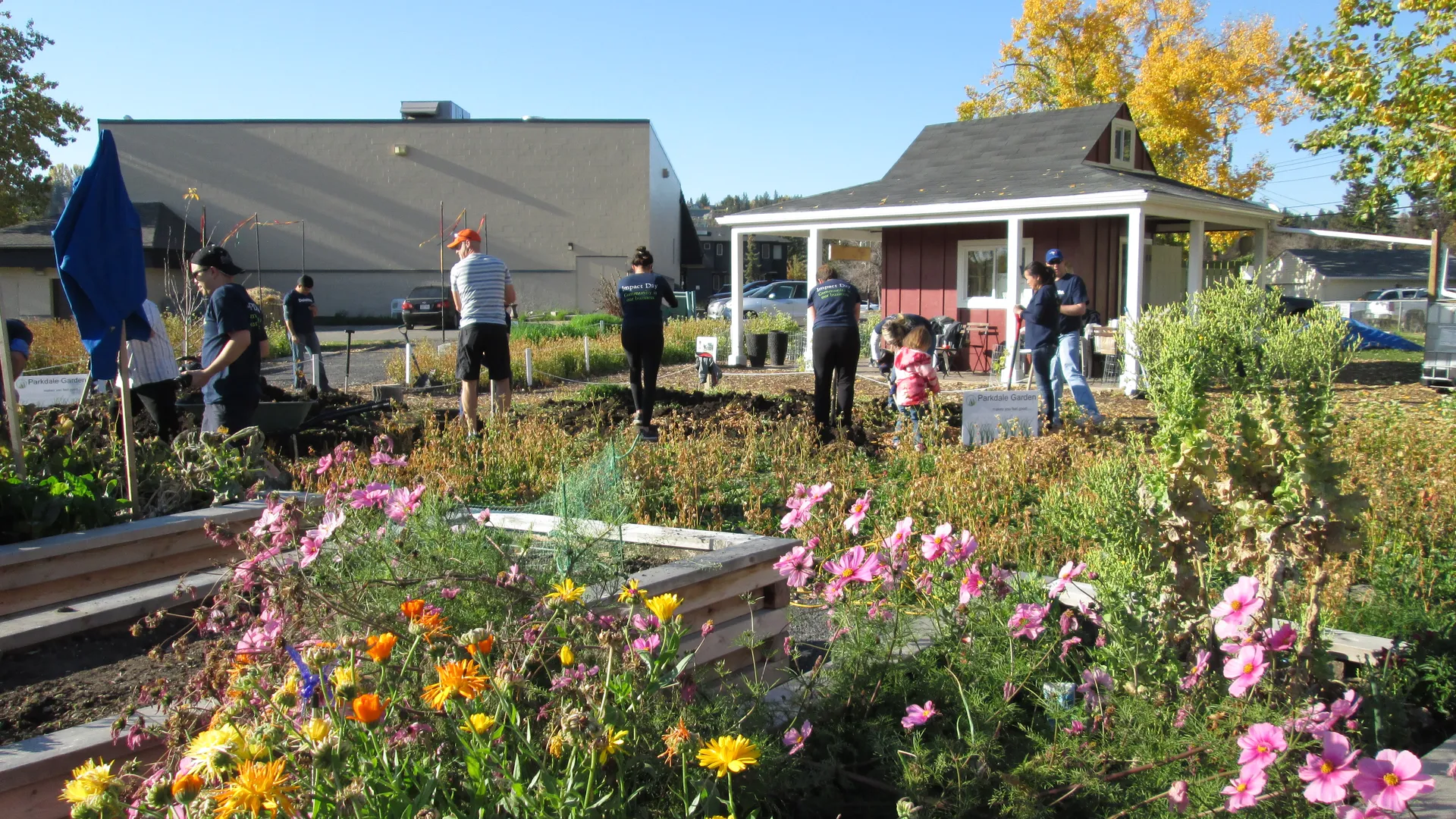
Working on something together, a park cleanup, a garden work party, setting up tables for a block party, tends to build familiarity faster than a purely social meetup does. There's less pressure to keep a conversation going on its own, since the task itself fills a lot of the silence, and people naturally end up talking while their hands are busy with something else. It's one of the fastest, lowest-pressure ways to go from recognizing a face to actually knowing a person.
If small talk doesn't come easily to you, a volunteer-style event is often a far more comfortable starting point than a purely social one. It also gives you a specific, easy topic to bring up the next time you see the same person: how the garden bed turned out, whether the trail stayed clear, whether the block party tables held up in the wind.
Give It More Than One Try
The first meetup with any group is rarely the most comfortable one, and it's easy to decide after a single visit that a group simply isn't a fit. Give it two or three tries before making that call. Group dynamics shift as more regulars get to know you, and a group that felt quiet or a little awkward the first time around often feels completely different by the third. Building a stronger local connection usually isn't about finding exactly the right group on the first attempt, it's about giving any reasonably good group enough time to actually become familiar.
None of these habits require a particular personality type. Quieter neighbors tend to do well with volunteer-style events, while more outgoing ones often gravitate toward hosting early on. The specific approach matters less than picking one or two of these habits and sticking with them longer than feels strictly necessary.